India
ProjectsDecember 1, 2023

Indus CMS and its image pipeline

image
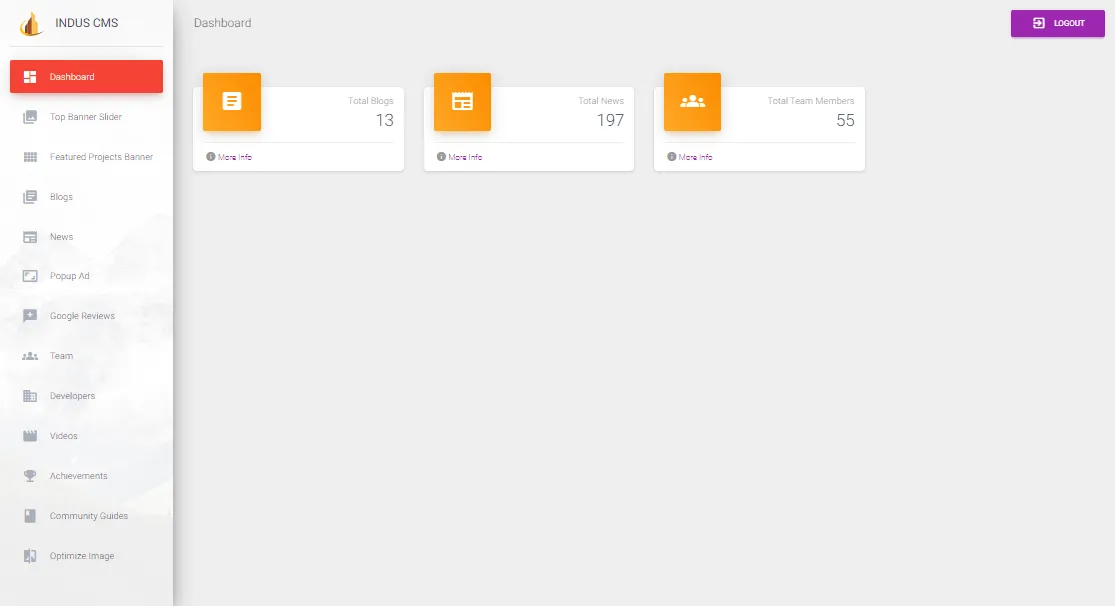
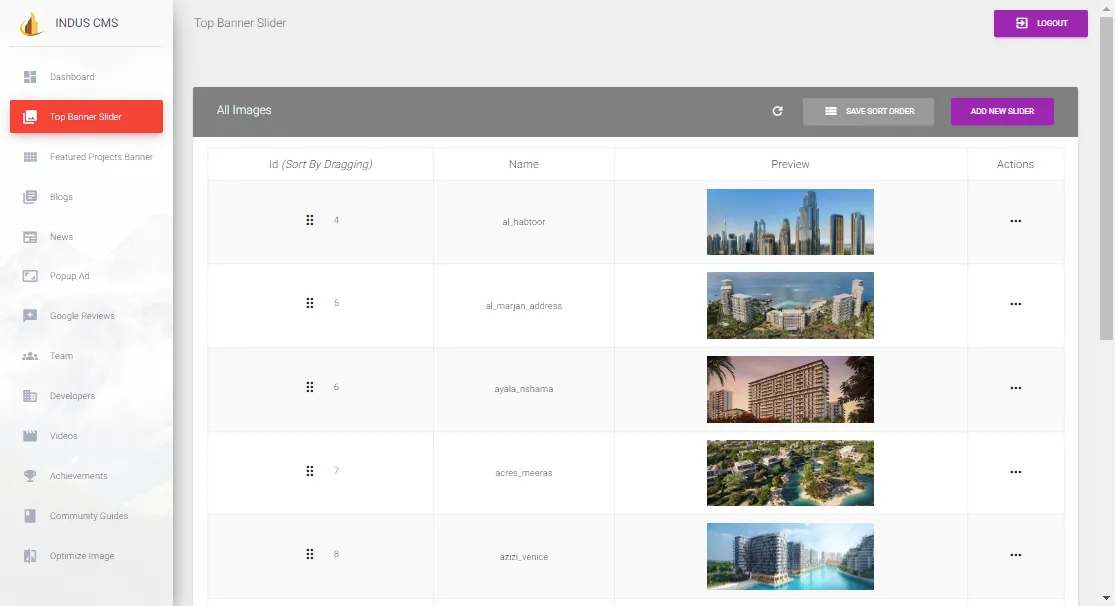
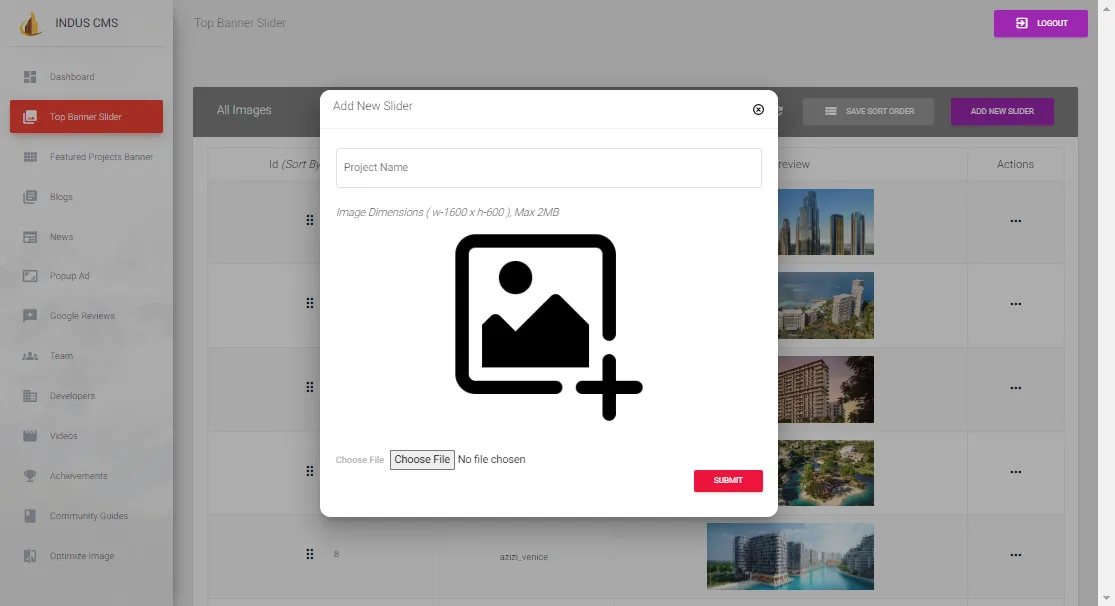
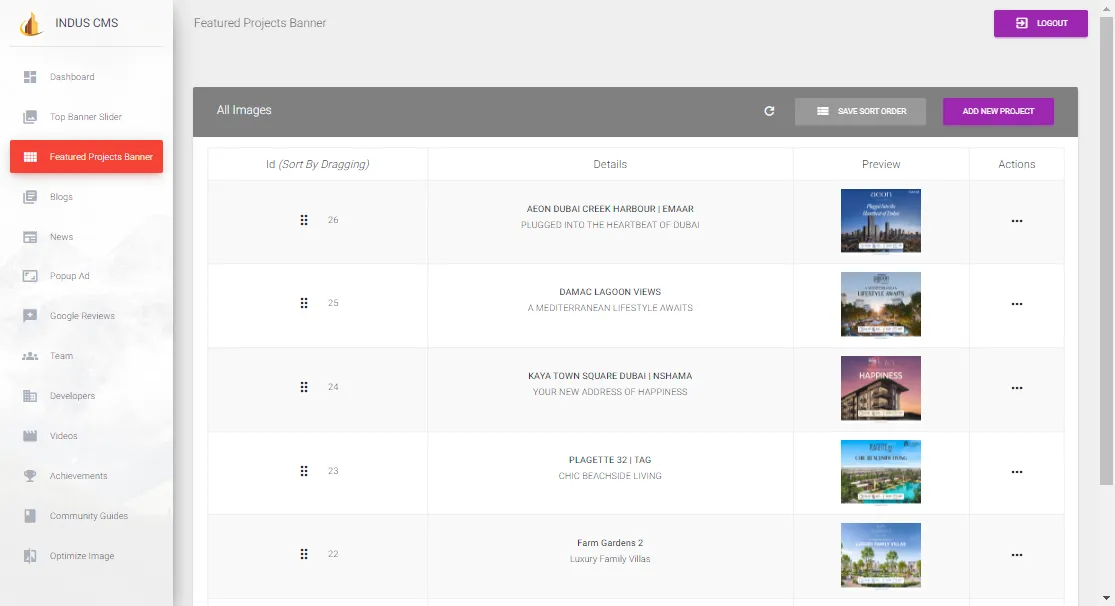
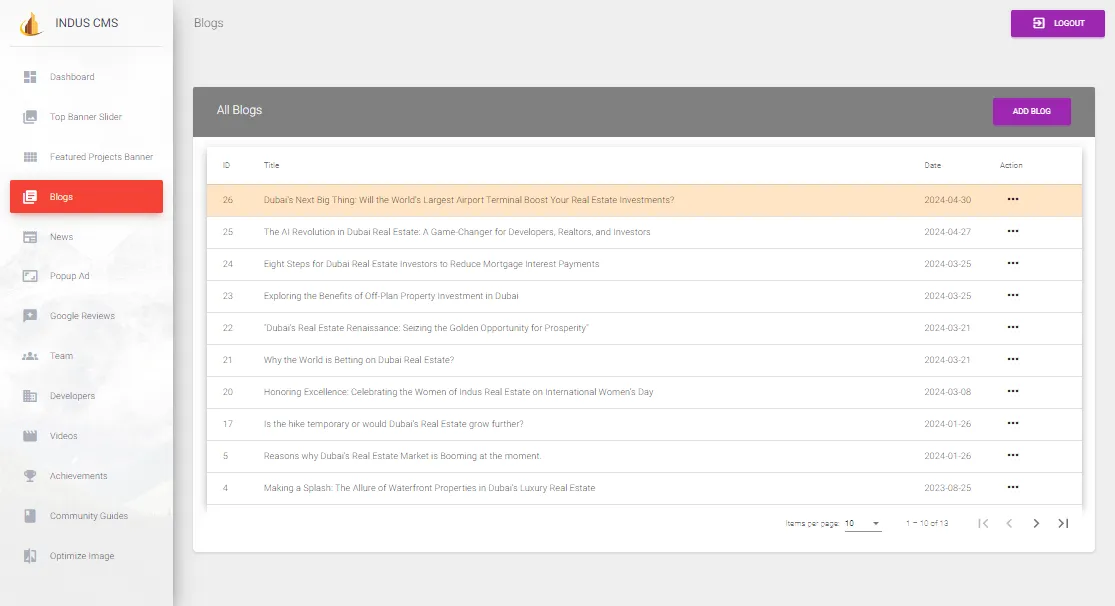
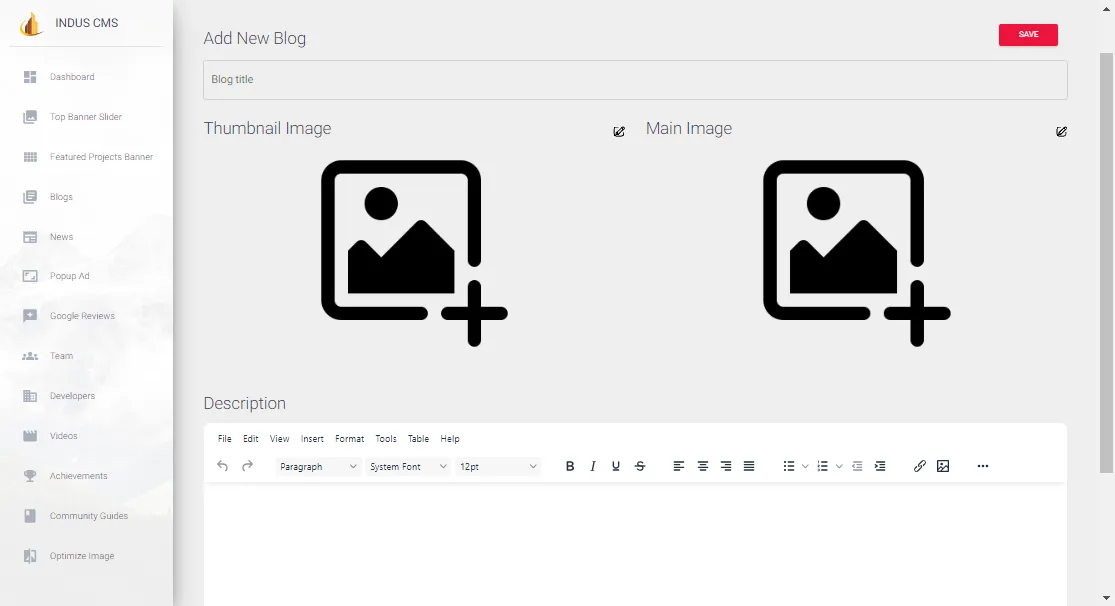
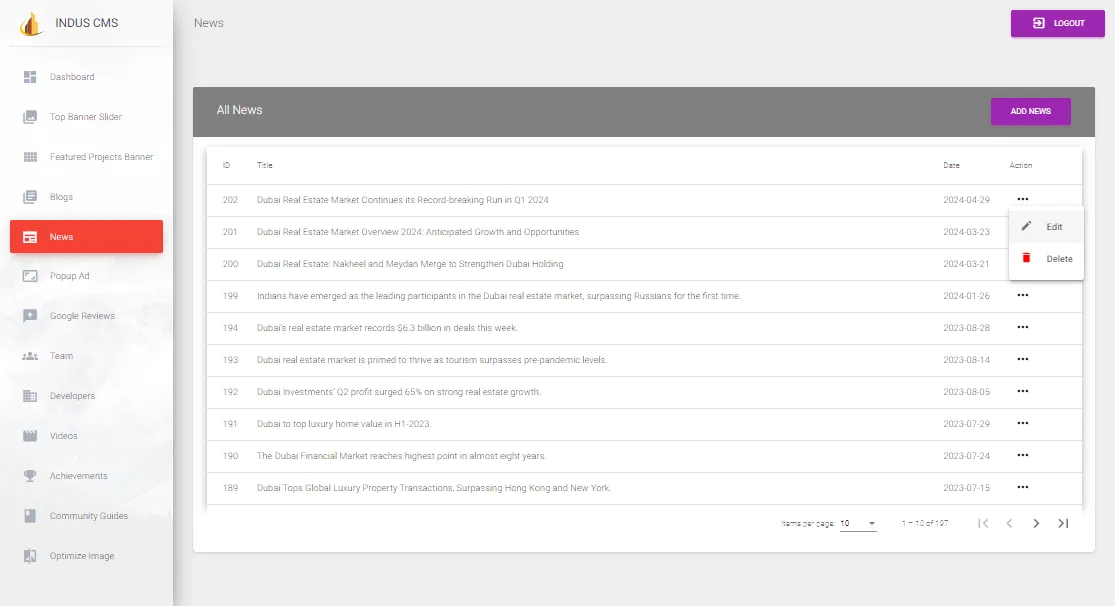
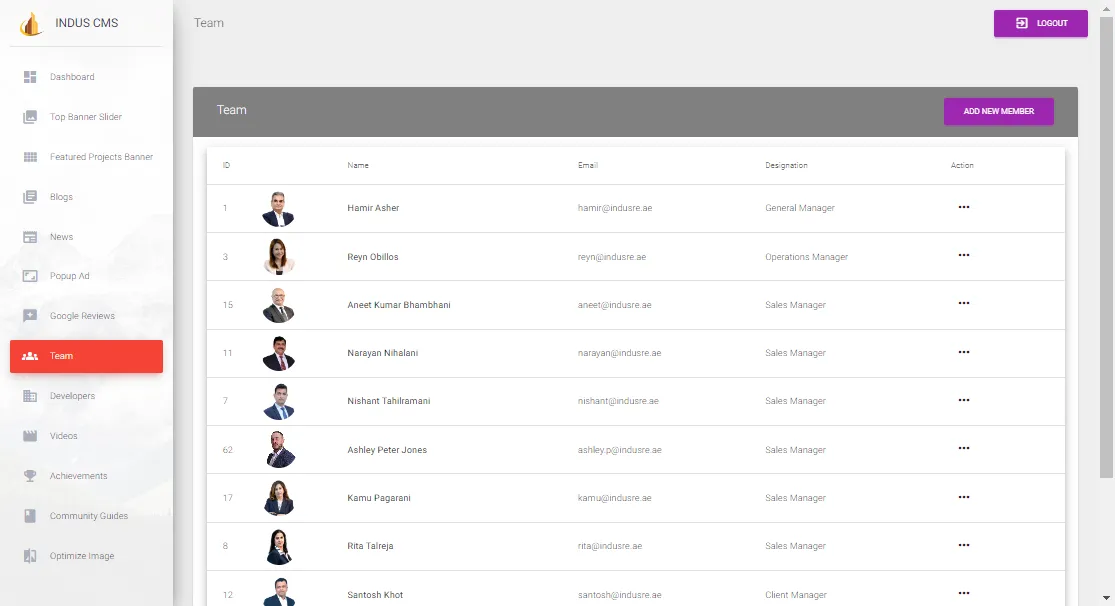
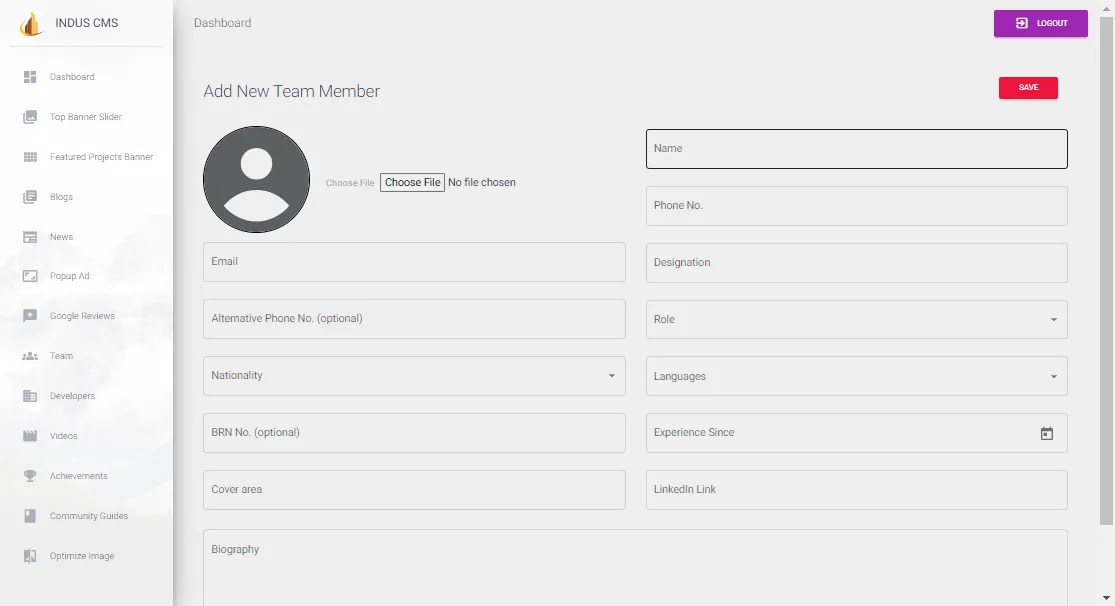
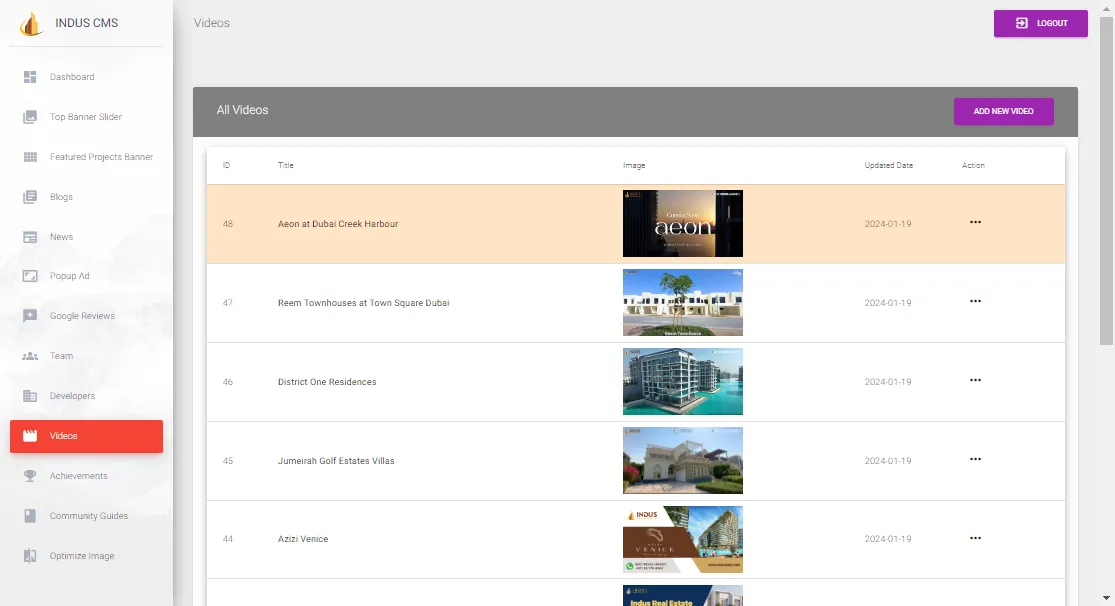
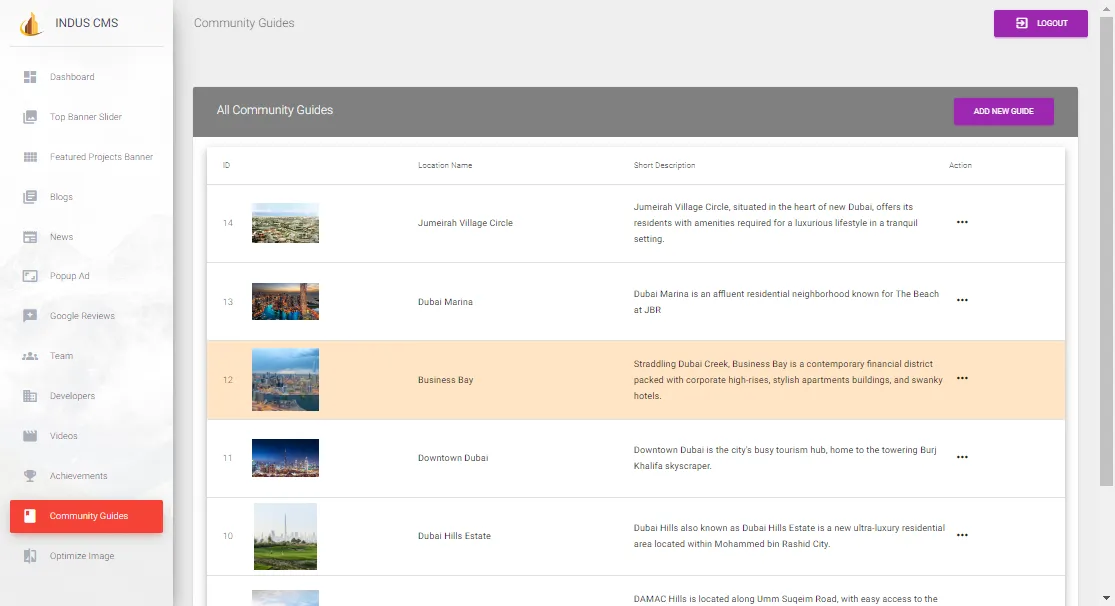
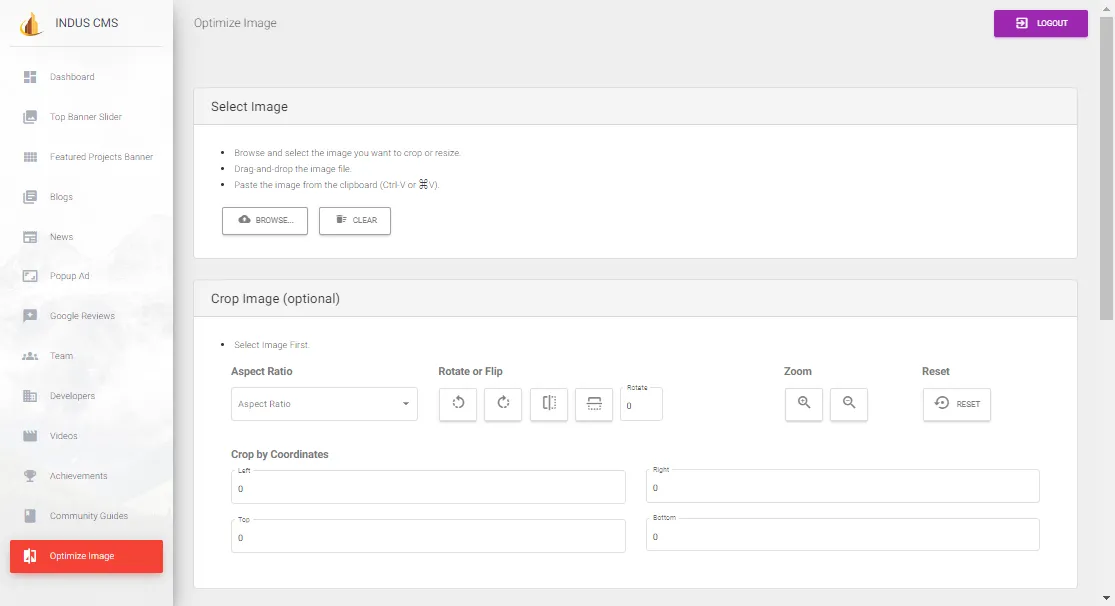
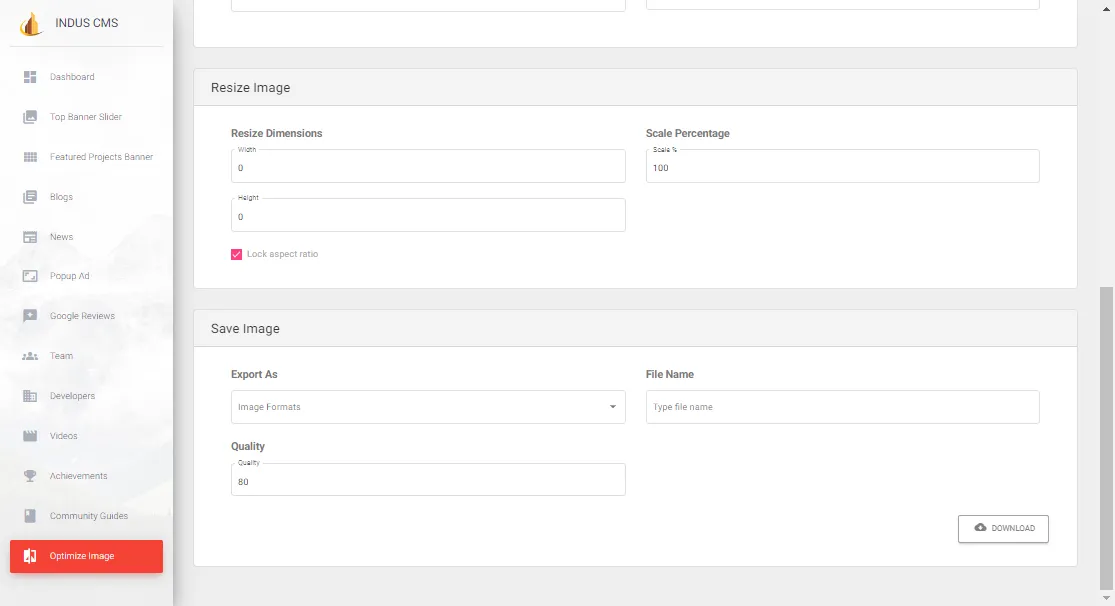
The content management system behind the Indus property sites. The content team uses it to manage listings, media and page content, and it feeds both the public site and the private premium portal. Angular with Angular Material on the front, PHP and Node.js behind it, with some Python for the reporting side. This is the part of the CMS that mattered most, because it is what made the 70 percent load time improvement on the public site possible. The problem it solves is ordinary. Agents upload photographs straight from a camera or a phone. Those files are several megabytes each, in whatever dimensions the device produced, and a listing has a dozen of them. Left alone, they go to the website at full size, and the site is slow no matter what else is optimised. Rather than ask agents to resize images before uploading, which does not work, the CMS handles it at upload. A Node.js service built on Sharp takes each upload and produces the sizes the site actually uses, converted to WebP. The core of it is two endpoints. One takes a batch and returns the resized set, one optimises a single image: Aspect ratio is derived from the original rather than passed in, so a batch of mixed portrait and landscape photographs comes back correctly proportioned instead of squashed to a common size. That sounds obvious and is the bug this kind of endpoint usually ships with. The CMS also carries reporting for the content team: which listings are being viewed, which are stale, and where enquiries are coming from. This is the part that decides whether a CMS is used properly, because it tells the team which listings are worth their attention.

Screens

Indus CMS and its image pipeline screen 2
Indus CMS and its image pipeline screen 3
Indus CMS and its image pipeline screen 4
Indus CMS and its image pipeline screen 5
Indus CMS and its image pipeline screen 6
Indus CMS and its image pipeline screen 7
Indus CMS and its image pipeline screen 8
Indus CMS and its image pipeline screen 9
Indus CMS and its image pipeline screen 10
Indus CMS and its image pipeline screen 11
Indus CMS and its image pipeline screen 12
Indus CMS and its image pipeline screen 13

Related projects

Enrixa Store, a multi-tenant e-commerce platform

Enrixa Store, a multi-tenant e-commerce platform

A platform where every merchant runs an isolated store on its own subdomain, and where a query that could leak one merchant's data into another fails CI instead of reaching customers.

Enrixa AI, a shopping assistant for Shopify

Enrixa AI, a shopping assistant for Shopify

A tool-calling agent that answers shopper questions against a live product catalog, streamed over SSE, with a chat widget that cannot collide with the store's own CSS.